
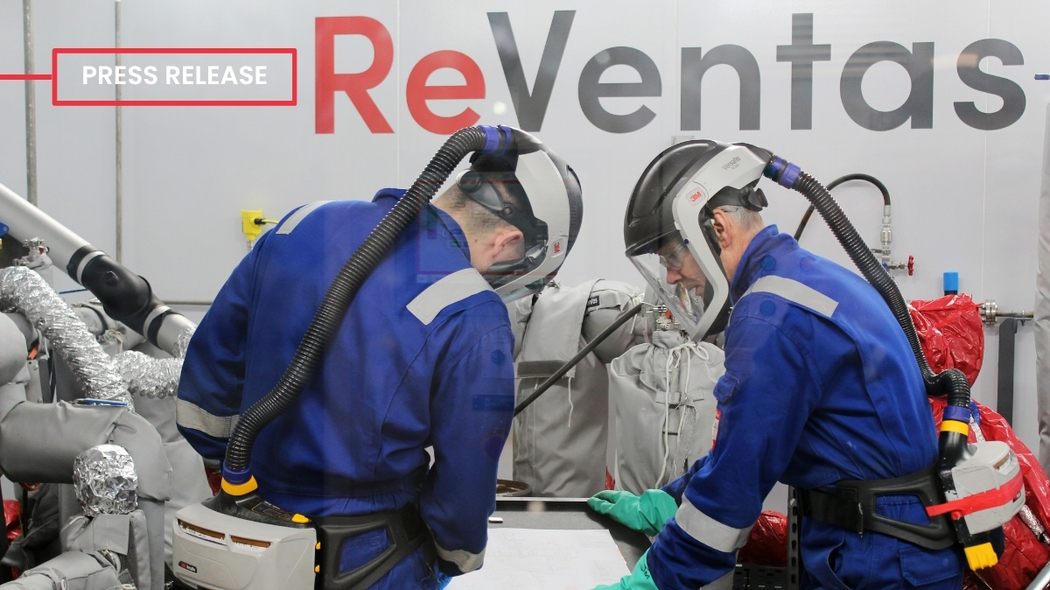
ReVentas Joins HG2030 Consortium to demonstrate the Feasibility of Closed-Loop Recycling of Rigid PP Waste into Food-Grade Packaging
Scottish dissolution-recycling pioneer brings its patented purification technology to the flagship European initiative, targeting virgin-quality PP resin for the food packaging industry.
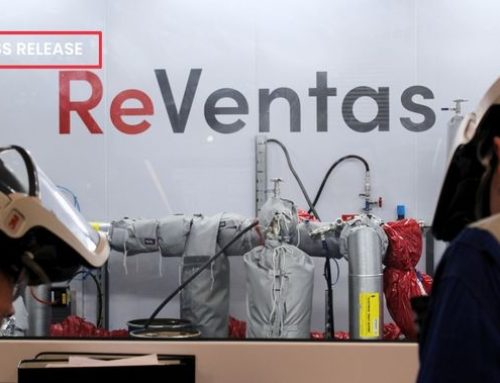
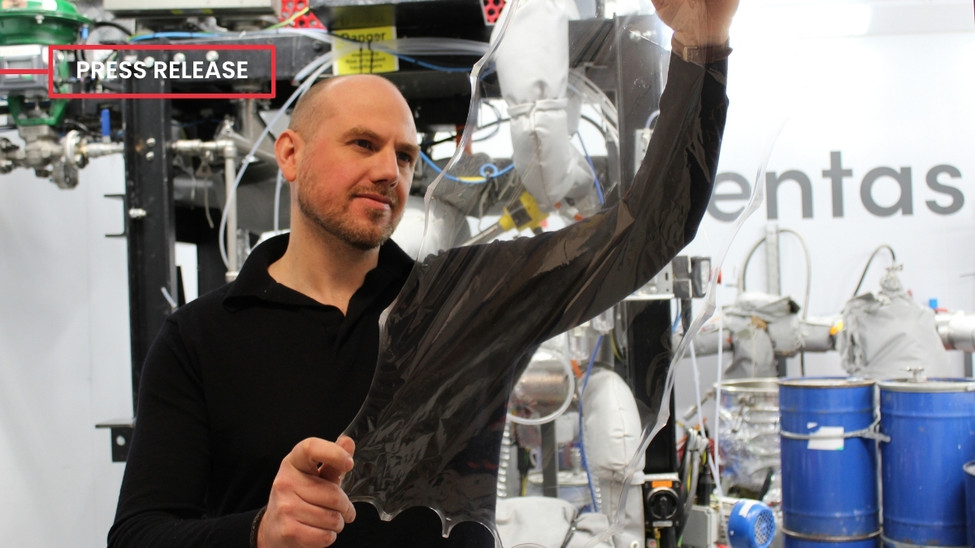
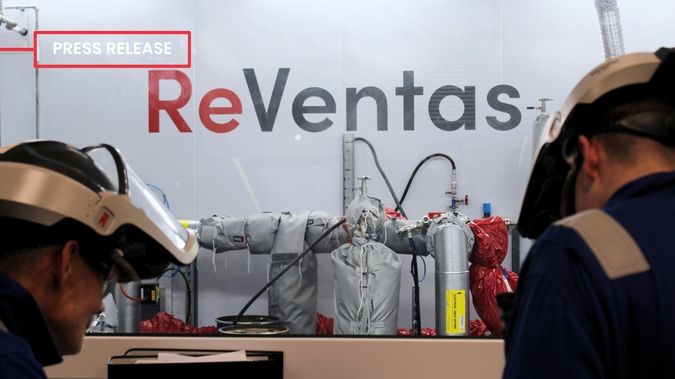
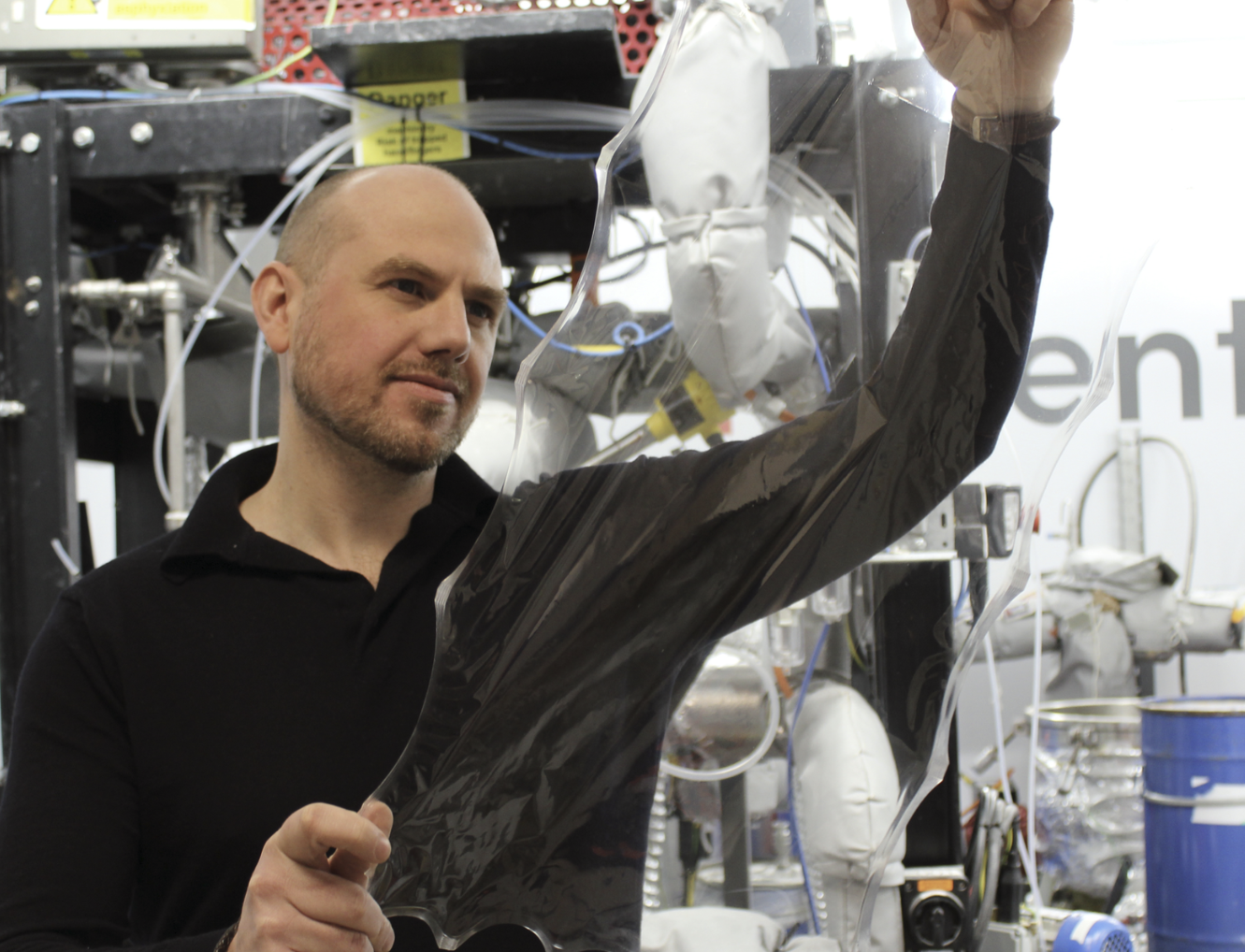
ReVentas, the Scottish advanced-recycling company pioneering dissolution purification of polyethylene and polypropylene plastics, today announced its participation in HG2030 – Circular Packaging, the pan-European Consortium that aims to demonstrate the economic viability of intelligently sorted, high-quality recyclates for use in food-grade packaging applications.
ReVentas will focus specifically on the market-demonstration stream of HG2030, which is dedicated to rigid PP food packaging – one of the most challenging material streams to recycle to food-contact quality. By combining the precise sorting enabled by the HG2030 infrastructure with ReVentas’s own patented dissolution-purification process, consortium aims to prove that coloured and contaminated post-consumer rigid PP waste can be returned to the packaging supply chain as a truly virgin-like polymer, indistinguishable in purity from freshly produced resin.
“Joining HG2030 is a defining step for ReVentas. The programme’s intelligent sorting infrastructure, powered by digital watermarking, gives us the clean, well-characterised feedstock our technology needs to deliver food-grade PP at scale. Together, we seek to demonstrate that the circular economy for rigid PP food packaging may not be a distant ambition — but may soon become achievable.”
Tom Rose, CEO, ReVentas
HG2030 – Circular Packaging is the successor initiative to the highly successful HolyGrail 2.0 programme, driven by AIM – the European Brands Association. It transitions from research trials, which demonstrated digital watermarking sorting accuracy, to market-adoption demonstrations. The initiative is directly aligned with the EU Packaging and Packaging Waste Regulation (PPWR), which mandates recycled content requirements for plastic packaging coming into force from 1 January 2030.
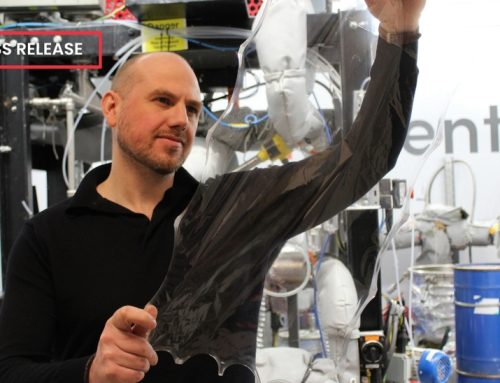
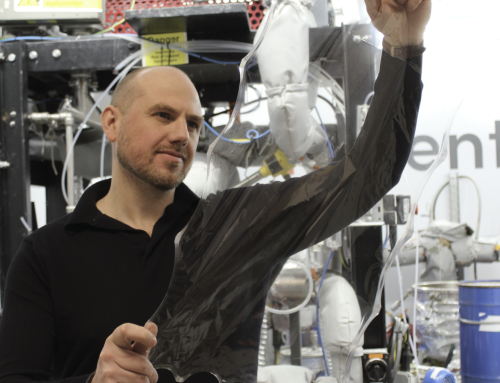
ReVentas’ proprietary technology uses a solvent to dissolve PP and PE at low temperatures and pressures, stripping out contaminants including colour pigments, inks, odours, additives and multilayer components. The result is a clean, homogeneous resin that replicates the properties of virgin polymer and is suitable for demanding food-contact applications. The process also delivers an estimated 80% reduction in carbon emissions compared with virgin plastic production, providing a compelling environmental and commercial case for brand owners and packaging manufacturers seeking to meet tightening regulatory targets.
The partnership addresses a critical gap identified across the European packaging value chain: while mechanical recycling can sort and granulate PP waste to high quality fractions, a significant portion of the waste stream is of low quality and subsequently downcycled. ReVentas’s dissolution route intends to bridge that gap, by tackling the feedstock fractions, which cannot be mechanically recycled to food grade quality, resulting in far greater yields achieving the regulatory approvals required by food packaging converters and brands.
If you are looking for more information, then please get in touch with our team to find out more.