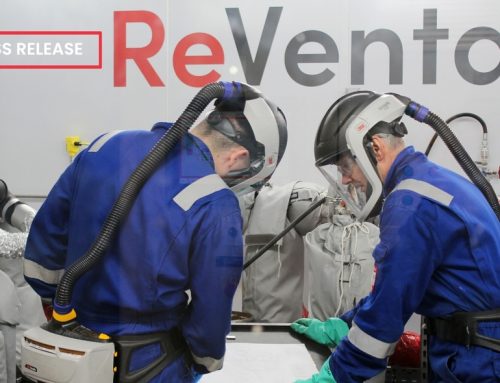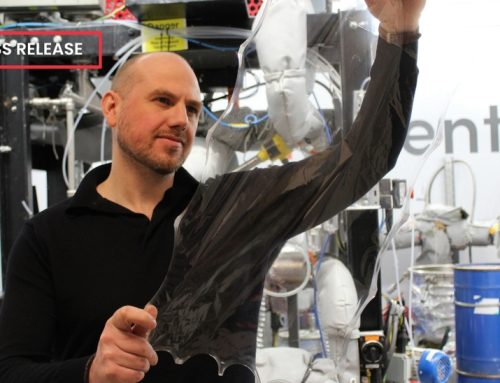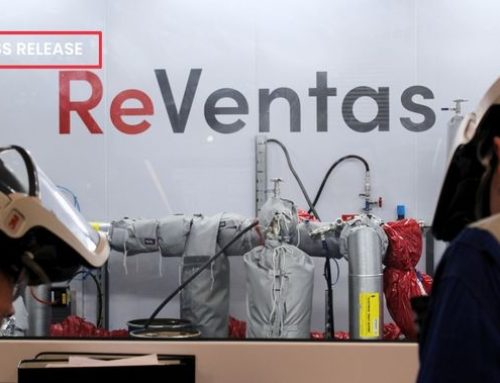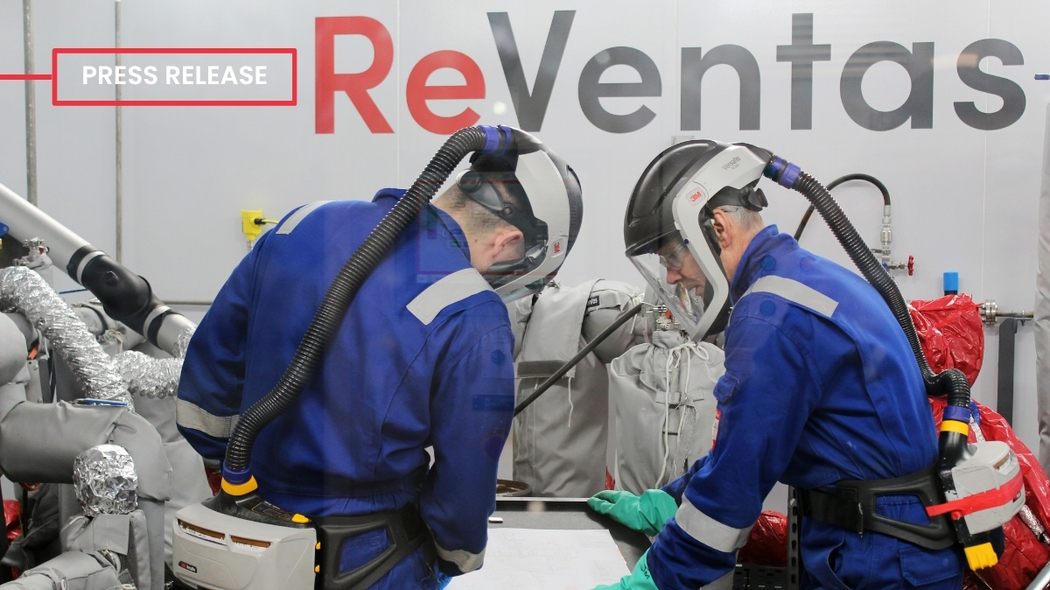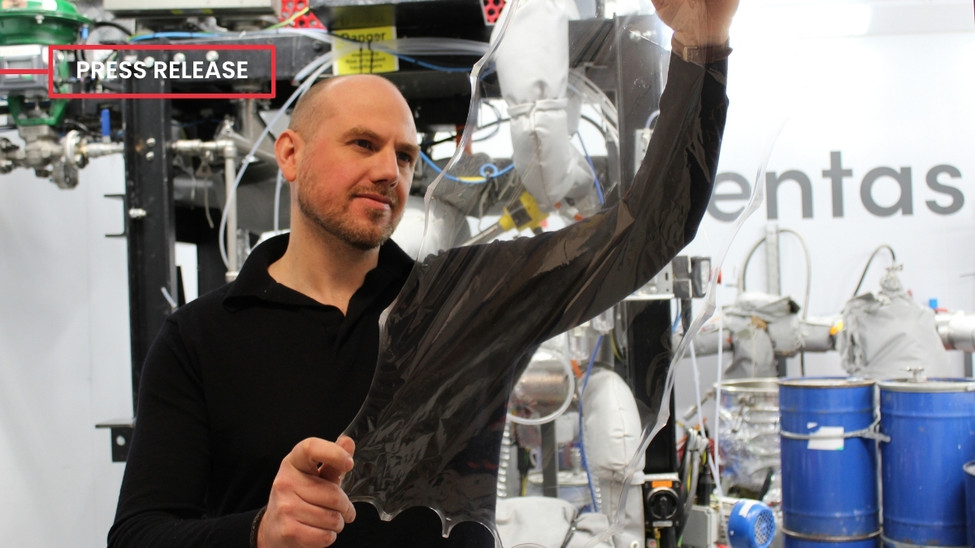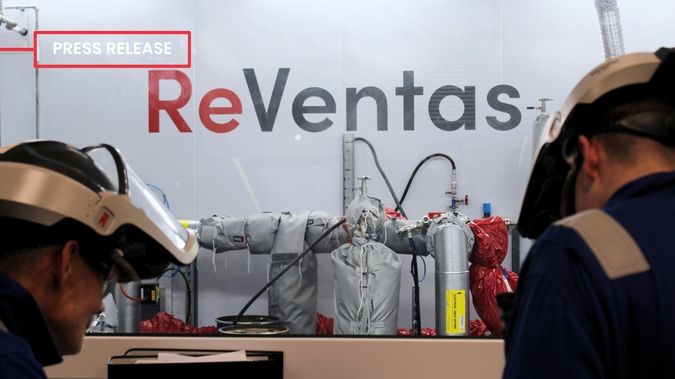

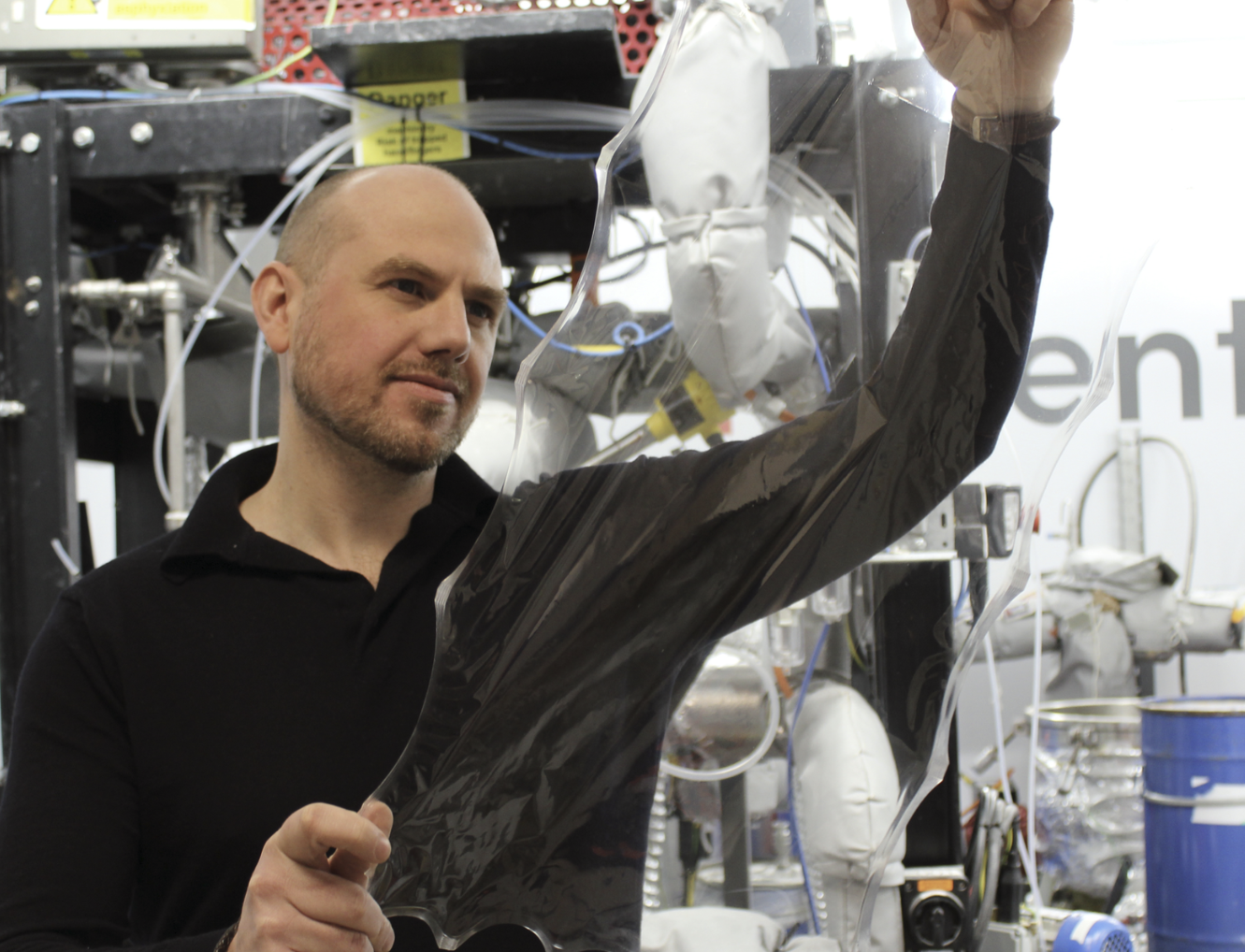
ReVentas today announces successful pilot trials in which household-collected waste and industrial waste film was converted, via our dissolution process, into transparent biaxially oriented polypropylene (BOPP) film via a world leader in film conversion.
The trials — carried out in our pilot plant and in conjunction with industrial partners — shows that our dissolution technology can recover high-quality, value-retaining polymer suitable for demanding film applications while staying true to our principle of delivering purity.
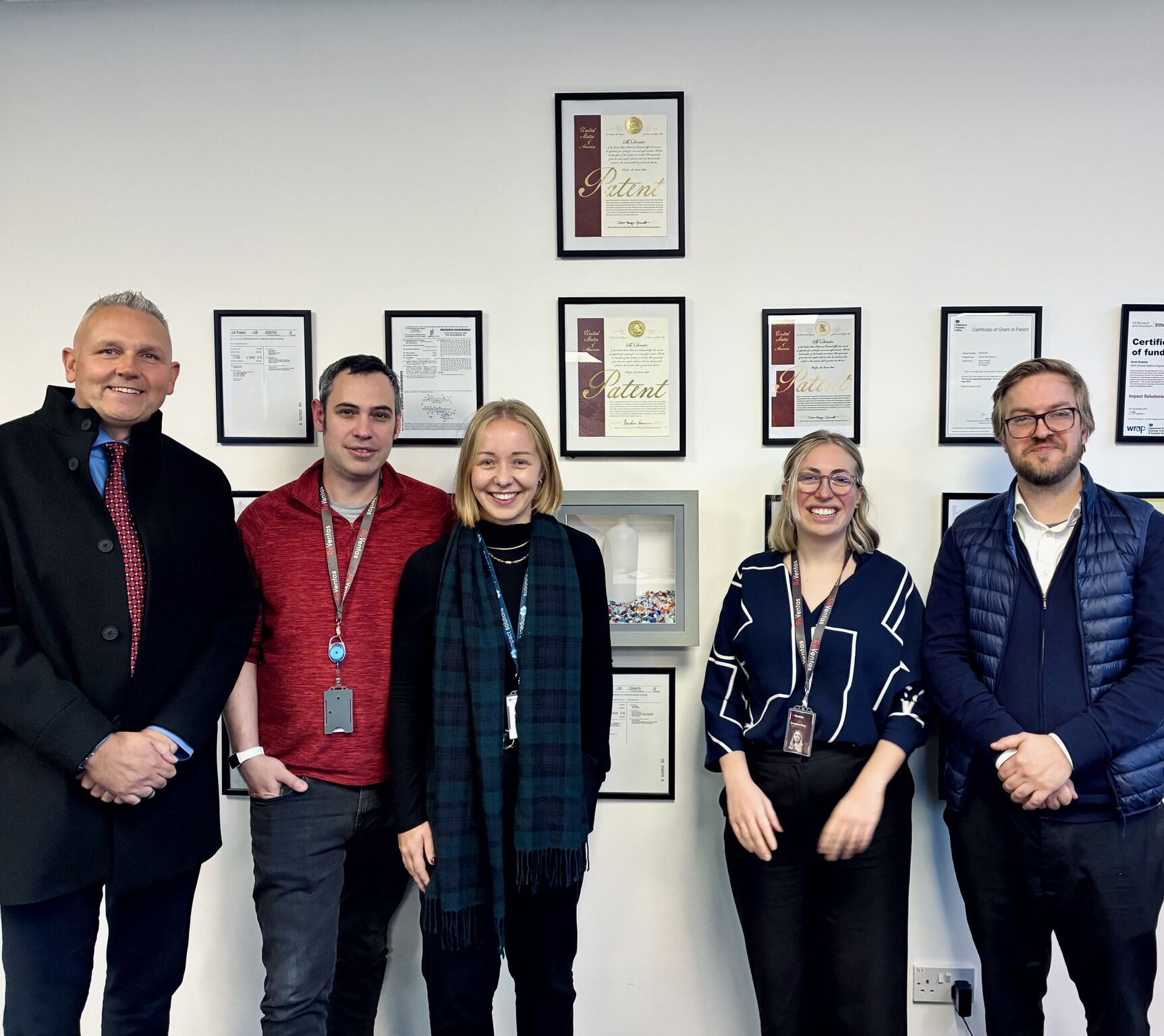
ReVentas CEO Tom Rose said, “The results from these initial trials have been excellent and gives us confidence as we move into large scale converter trials, we will be able to meet the material demands of BOPP applications.”
A step change in circularity for packaging-grade film
BOPP film makes up a significant part of the packaging market due to its clarity, stiffness and moisture resistance. However, recycling of this household waste stream back into a high value product presents a significant challenge due to collection limitations, it being mixed with other plastics, the presence of surface inks and adhesives. As such, films today are typically incinerated or landfilled.
ReVentas’ dissolution solution overcomes those issues by dissolving and purifying polypropylene so that the re-formed polymer preserves the molecular architecture needed for high-performance film with the pilot testing producing film that matches the visual clarity of conventional virgin BOPP, demonstrating a viable route to close-the-loop packaging.
Trial results — what “virgin-like” means in practice
The film produced in the industrial stretching testing trials delivered excellent transparency and low haze consistent with virgin resin grades with the stretching successful at both 35% and 50% recycled content blends. The next step is to demonstrate the same material on full commercial lines later in the year.
Tom Rose added, “Demonstration of our BOPP resin now sits alongside a range of other successful converter trials undertaken over the last 12 months, including on our injection moulding HDPE and blow moulding HDPE. Together these trials have shown the scope of our technology and the breath of market it can address.”
Environmental and commercial implications
Producing film with virgin-like properties from kerbside waste will unlock the value in this waste stream improving the economics for recyclers and brand owners, and keeping material in the productive economy rather than downcycling or landfill. Because the recovered plastic can be shown to be compatible with existing BOPP lines and converting processes, adoption by converters and packagers can be achieved without major changes to supply chains, which lowers barriers to commercial scale-up and accelerates diversion of household plastics from incineration or disposal.
Next steps
Following this pilot ReVentas will scale up throughput and continue optimising the process in order to undertake larger industrial stretching trials later in the year in order to prove dissolution is a solution to BOPP waste.
If you are interested in BOPP recycling then please get in touch with our team to find out more information.